
Fiction, meditations, and reflections about what happens beneath the visible surface of a life. These books explore love, ambiguity, identity, separation, and the quiet moments in which something within us changes.
Rooms of Friendship examines friendship as an architecture rather than a fixed category. Using rooms, doors, thresholds, distance, and atmosphere, Lisa J. Scott reflects on how relationships hold closeness, difference, care, silence, and change. Some rooms expand; others remain small. Some are left without conflict or betrayal. The book does not prescribe how every friendship should be repaired or maintained. Instead, it helps readers recognize the spaces they inhabit, understand what each relationship can genuinely hold, and discern when it may be time to stay, grow, step back, or leave—with clarity, compassion, and without treating every distance as failure.
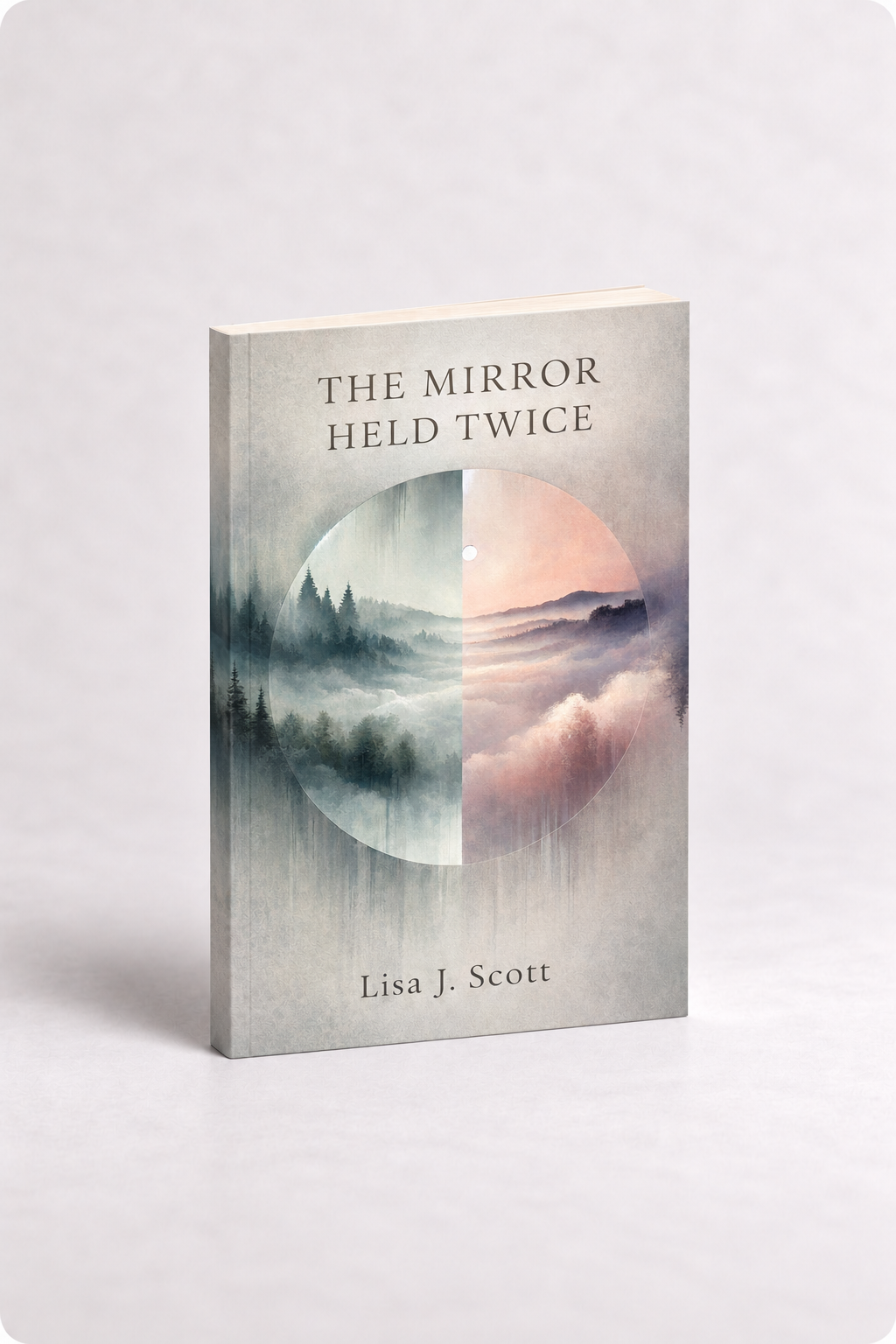
The Mirror Held Twice is a reflective work about perception, orientation, and the act of seeing again. Ordinary moments are held twice: first through expectations, external reflection, and other people’s interpretations, then from a more internally anchored position. Lisa J. Scott examines how dependence on external validation can distort self-perception—and how internal orientation can reduce that distortion without eliminating uncertainty. Observational rather than prescriptive, the book does not promise a final answer. It offers a position from which to return: remaining present, seeing clearly, and listening to others without handing them authorship of the self.
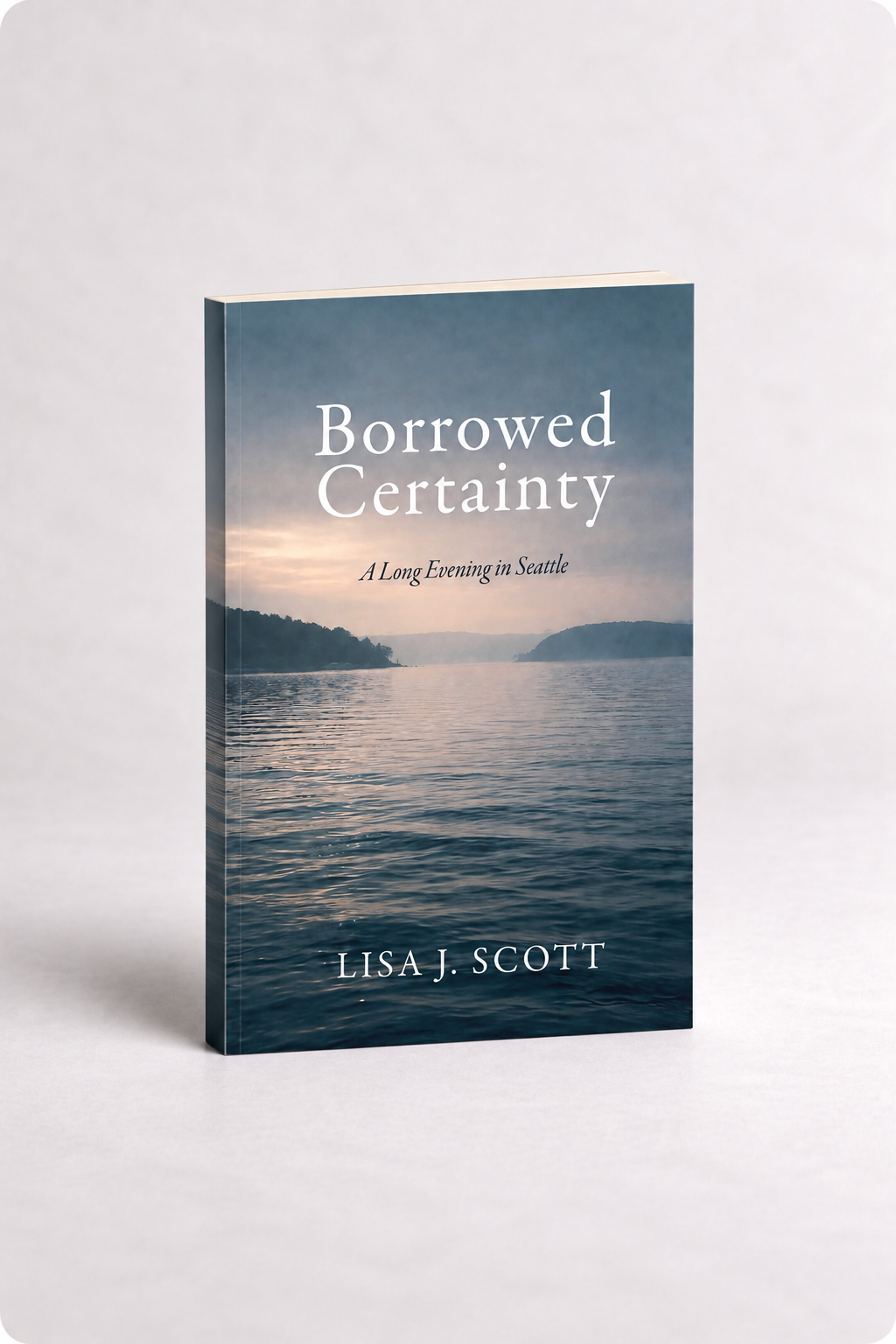
Borrowed Certainty: A Long Evening in Seattle is a quiet novel about how belief forms in real time. During a family dinner overlooking Puget Sound, conversations unfold across rooms, each carrying its own assumptions and version of what is true. Nothing dramatic occurs, yet something begins to gather through repetition, visibility, language, and shared attention. As the evening progresses, Lisa J. Scott reveals the subtle systems beneath perception, urgency, and reaction—showing how people can become certain not because something is true, but because it has been made familiar. This is a story about inherited belief and what becomes visible when attention slows.
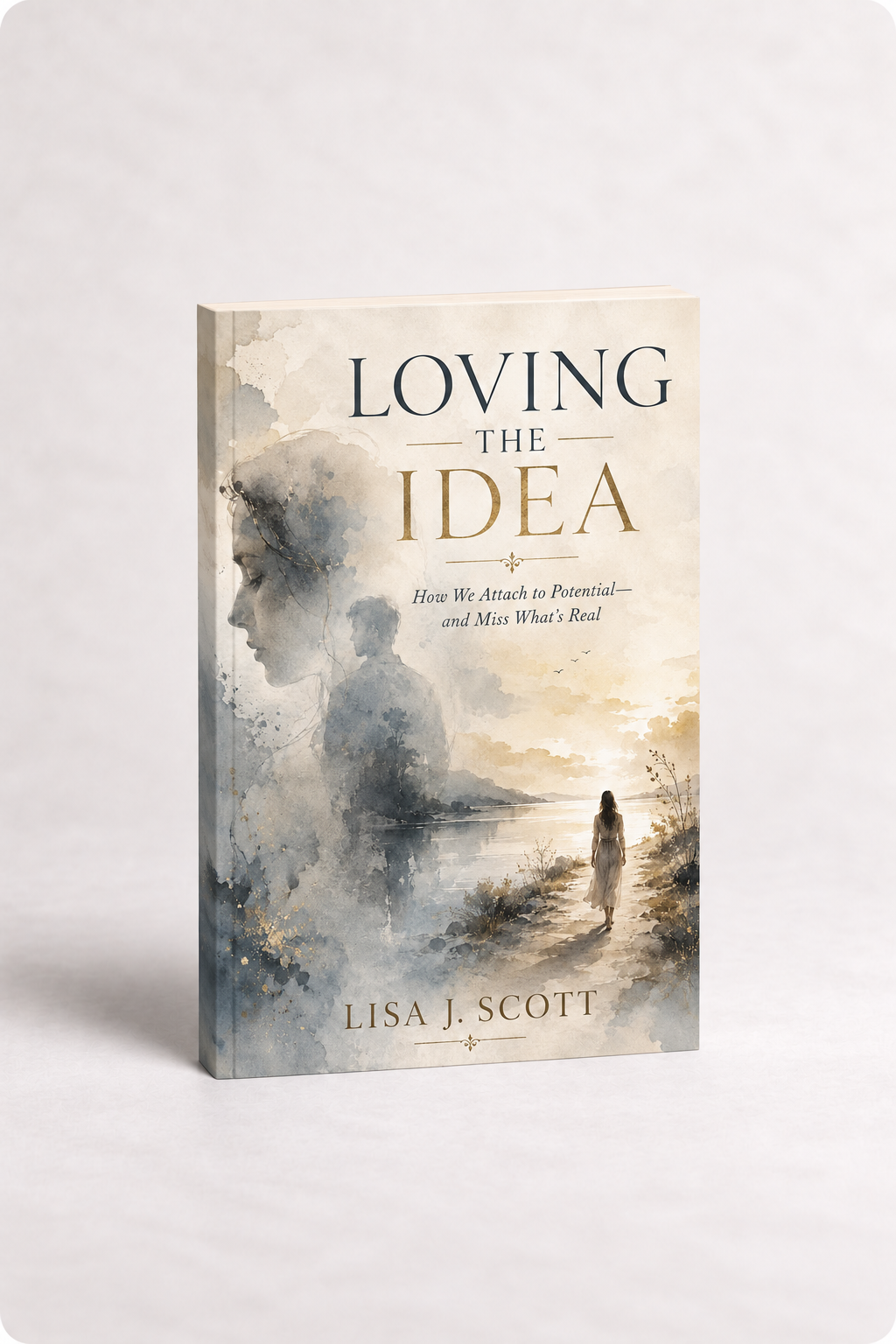
Loving the Idea: How We Attach to Potential—and Miss What’s Real examines the moment someone realizes they may be attached not to a person, but to a narrative. Lisa J. Scott names the quiet mechanics of “idea-love”: projected futures, private movies, mixed signals, and the subtle shift from intimacy to management. The book shows how longing can be mistaken for connection, hierarchy for chemistry, and repeated disappointment for unfinished potential. Through its practical Ledger Card—words versus evidence, apologies versus repair, intensity versus mutuality—it invites readers to stop editing what life is showing them, leave the imagined relationship, and return to what is real..
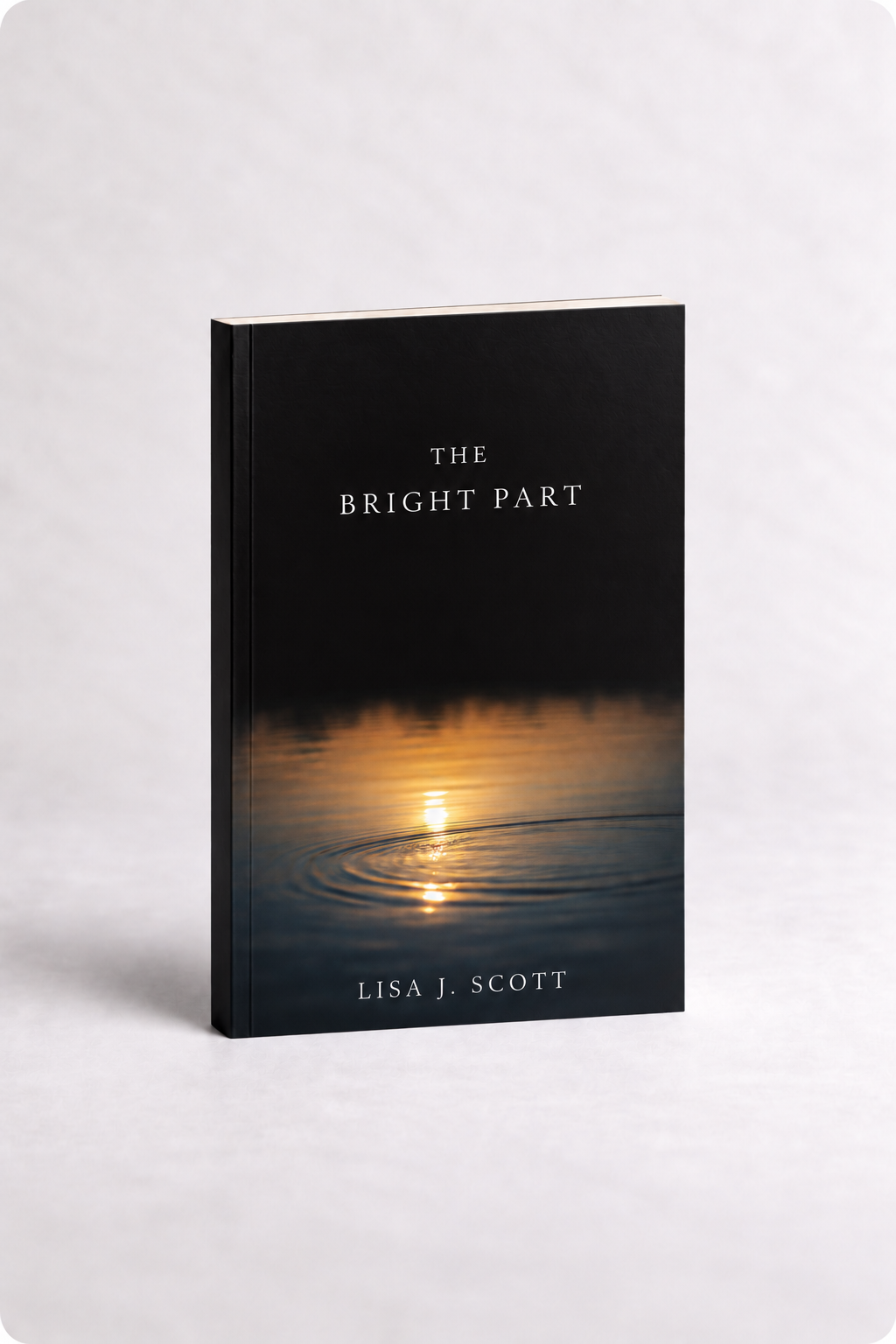
The Bright Part is a quiet literary novel about presence, belonging, love, and the courage to become more fully oneself. In the community surrounding Frog Creek, one woman moves through ordinary days with unusual attention, noticing the light on the water, the pauses between conversations, and the truths people reveal when they no longer feel required to perform. As friendships deepen and unexpected relationships emerge, she discovers that fulfillment may not require escaping into a different future. Gentle, luminous, and deeply reflective, the novel honors the meaningful transformations that occur without spectacle—and the brightness that may have been present all along.
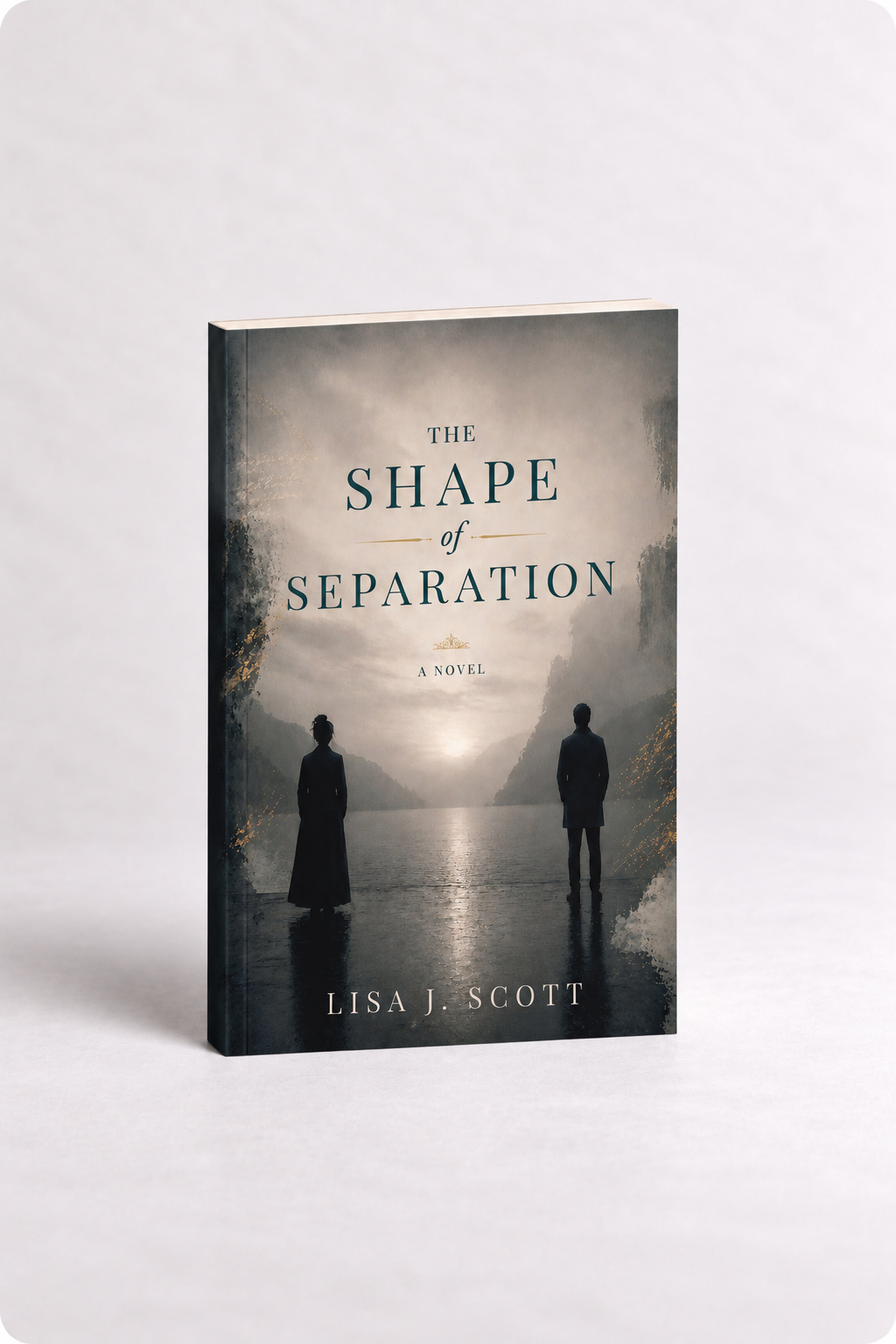
The Shape of Separation is an atmospheric novel about perception, connection, and the quiet architecture of loving what cannot remain. A woman has built a clear, deliberate life aboard a residential ship, apart from the noise of the modern world. When Elias arrives, their bond forms through recognition rather than conventional romance; each sees beneath performance, language, and social narrative. But as outside pressures and competing versions of truth enter their isolated world, the space between them begins to change. Restrained and philosophically layered, the novel explores the fragile boundary between truth and love—and what remains after illusion dissolves.
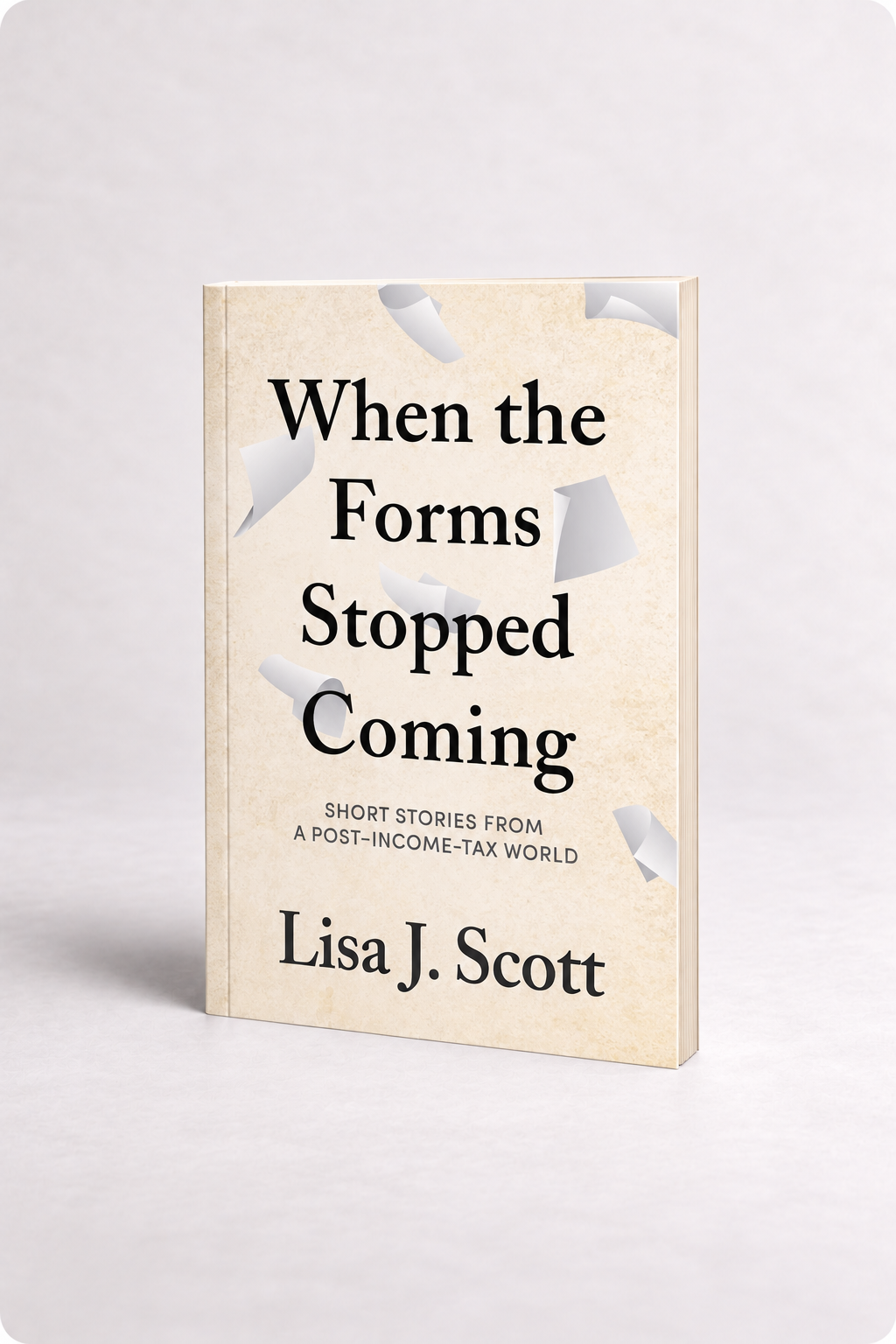
When the Forms Stopped Coming: Short Stories from a Post–Income-Tax World imagines a society in which an old organizing structure does not collapse dramatically—it simply begins to fade. Through reflective vignettes, Lisa J. Scott traces the subtle adjustments that follow: responsibility without fear, freedom without spectacle, and order without constant enforcement. This is not a story of rebellion or revolution, but a meditation on how habits linger after rules dissolve and how people recalibrate when familiar paperwork disappears. Measured and quietly incisive, the collection asks what remains when compliance is no longer the organizing principle of daily life.
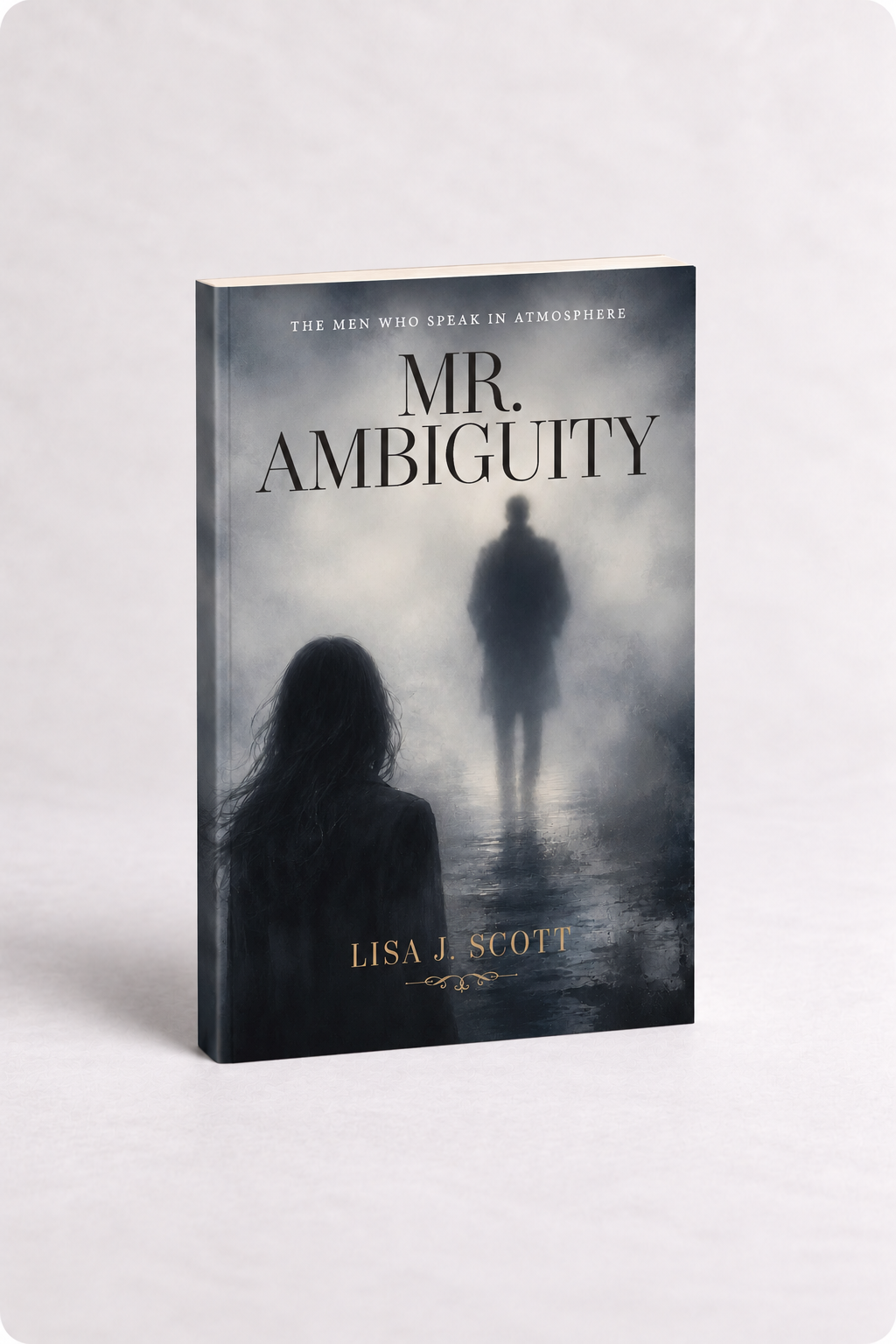
Mr. Ambiguity: The Men Who Speak in Atmosphere is not the story of one man, but a study of a recurring relational pattern. Lisa J. Scott examines the person who communicates through implication, creates connection without commitment, and remains just unclear enough to keep someone else searching for meaning. The book reveals how silence becomes interpreted, confusion is mistaken for depth, and emotional weather replaces direct communication. Written for anyone who has spent too long decoding mixed signals, Mr. Ambiguity is not about changing him. It is an invitation to see the pattern clearly, step out of the fog, and return to oneself.
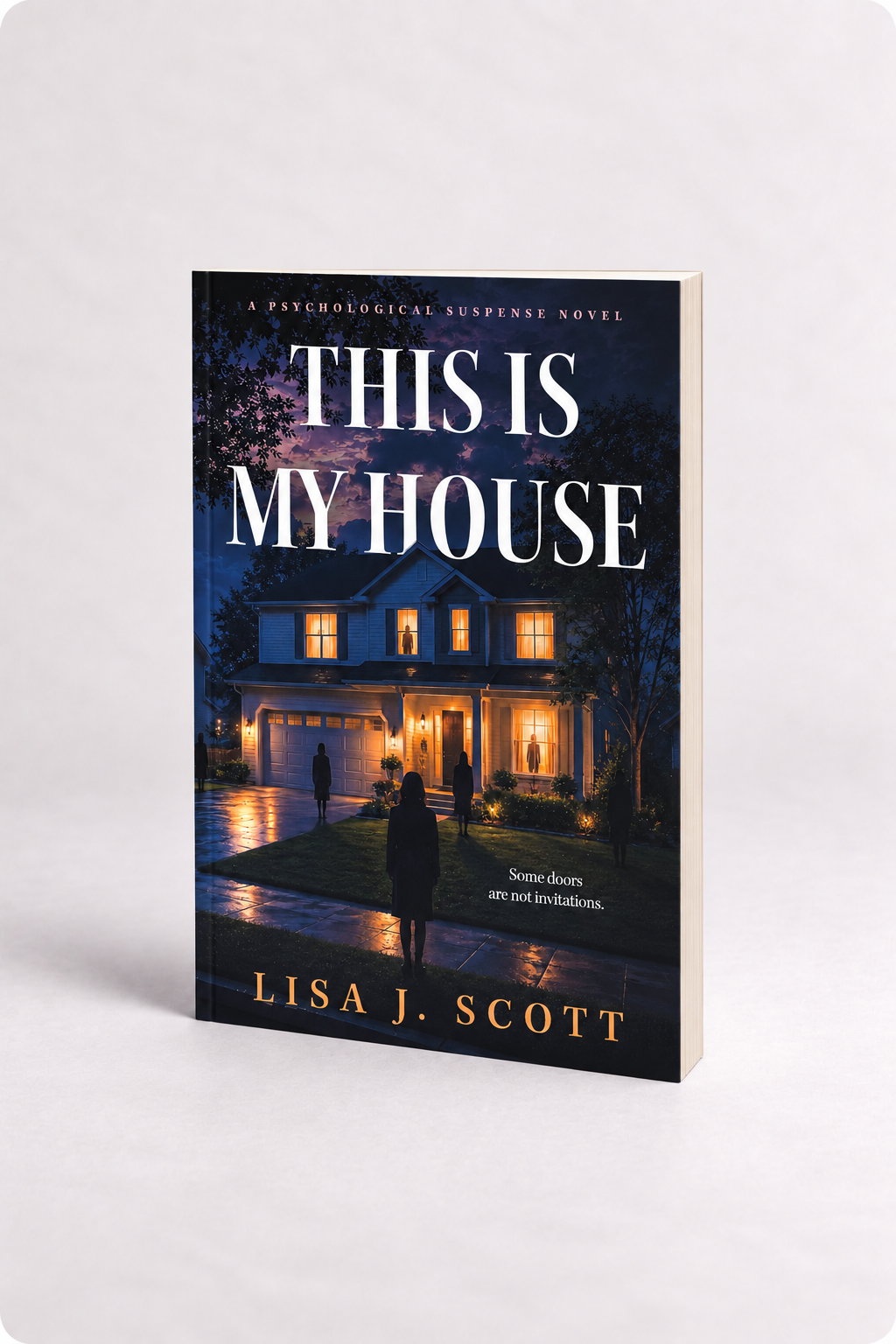
This Is My House is a psychological suspense novel about boundaries, entitlement, and the moment a private life becomes negotiable. When Lisa returns home on Halloween night, the porch light is already on—and an unfamiliar family is moving through her house as though they belong there. They are calm, polite, and almost reasonable. They also refuse to leave. As trick-or-treaters gather outside and her calls for help keep failing, Lisa realizes the danger is not only what the family might do, but what they have already taken. Tense and unsettling, the novel asks how far someone must go to reclaim what is unquestionably hers.